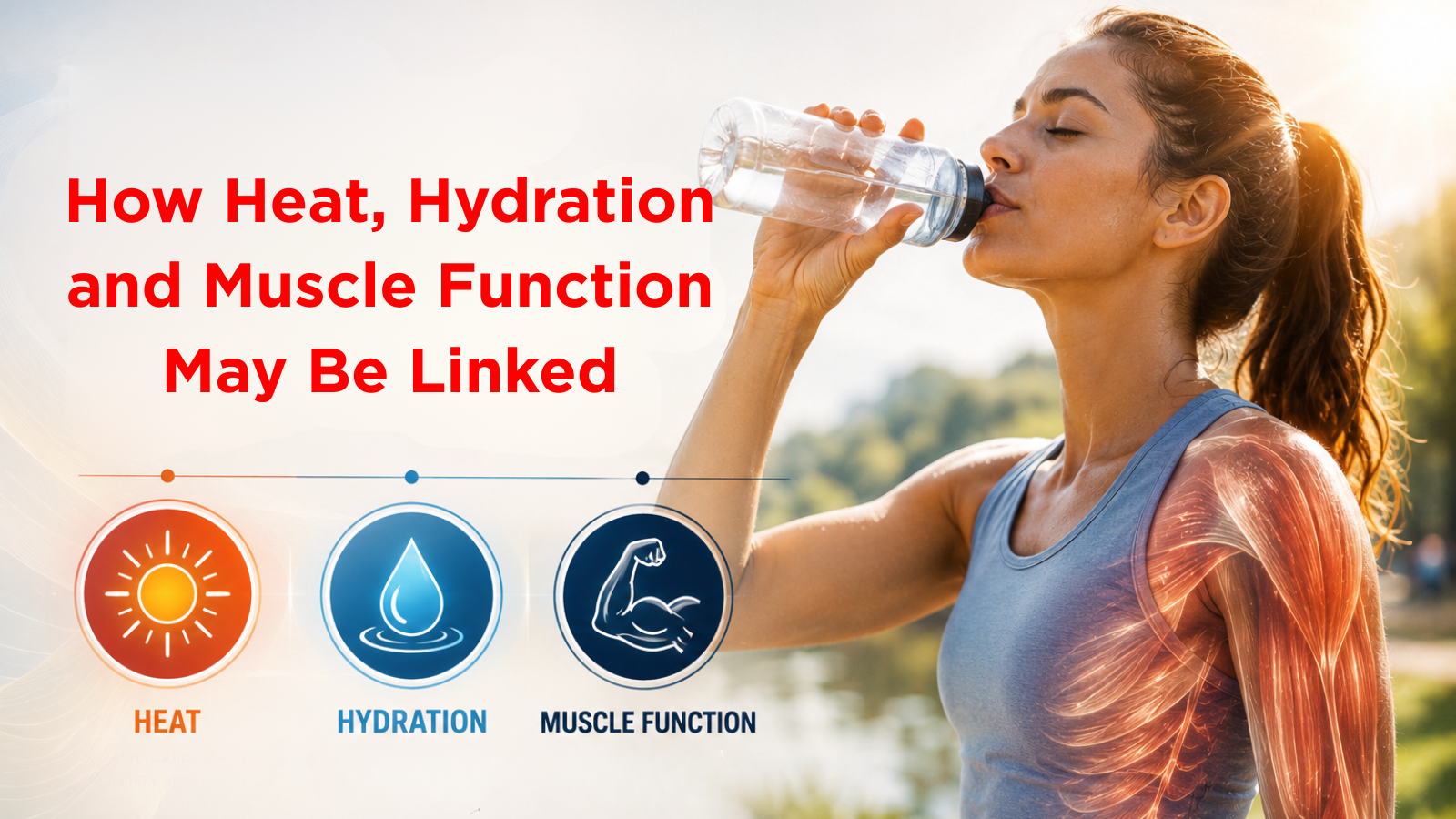
Australia’s warmer climate can place extra demands on the body, particularly during physical activity, exercise or long days outdoors. While most people understand the importance of staying hydrated in hot weather, fewer realise how closely hydration levels may be linked with muscle function, movement and recovery.
Muscles rely on adequate hydration and balanced body function to work efficiently. During periods of heat exposure or dehydration, some people may notice increased fatigue, muscle tightness or reduced physical performance.
Understanding the relationship between heat, hydration and muscle function may help support better movement, recovery and overall wellbeing, particularly during warmer months.
Why Hydration Matters for Muscle Function:
The human body relies heavily on water for many essential processes, including circulation, temperature regulation and muscle activity.
Muscles contain a large amount of water, and hydration plays a role in helping muscles:
- Contract effectively
- Relax properly
- Maintain endurance
- Support joint movement
- Recover after activity
When hydration levels drop, the body may find it harder to regulate temperature and support normal muscle function.
How Heat Can Affect the Body:
In hot weather, the body works harder to stay cool.
Sweating helps regulate body temperature, but it also increases fluid loss. During prolonged heat exposure or exercise, people may lose significant amounts of water and electrolytes through sweat.
If fluids are not adequately replaced, dehydration may occur.
Common signs associated with dehydration can include:
- Fatigue
- Headaches
- Dizziness
- Dry mouth
- Muscle cramps
- Reduced concentration
- Increased muscle tightness
Symptoms vary depending on the individual and the level of fluid loss.
The Possible Link Between Dehydration and Muscle Tightness:
Although muscle tightness can have many causes, dehydration may contribute to reduced muscle efficiency and increased physical fatigue in some individuals.
When the body is under physical stress from heat or fluid loss:
- Muscles may fatigue more quickly
- Recovery may feel slower
- Movement may feel stiffer
- Cramping may become more likely during exercise
People who work outdoors, exercise intensely or spend long hours in the heat may be more likely to notice these effects.
Occasional muscle tightness or fatigue can occur after physical activity or heat exposure. However, ongoing symptoms may benefit from professional assessment.
Consider seeking advice if you experience:
- Persistent muscle cramps
- Ongoing stiffness
- Recurrent muscle tightness
- Reduced mobility
- Pain affecting activity or sleep
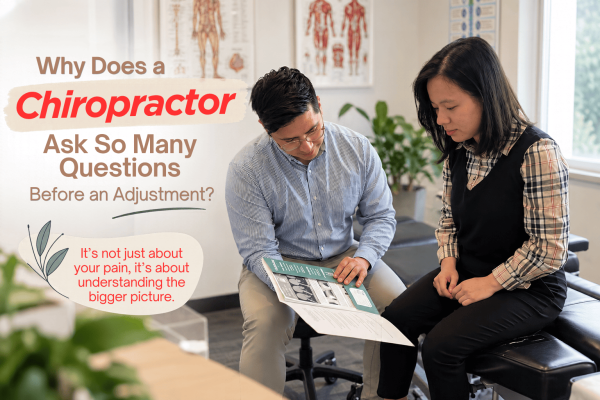
A chiropractor may assess movement patterns, muscle tension, spinal function and lifestyle factors that could be contributing to physical discomfort.
Management recommendations are based on the individual and may include mobility advice, soft tissue techniques, movement strategies and supportive care where appropriate.
Supporting Movement During Warmer Months:
Heat and hydration can influence how the body feels and performs, particularly during physical work or exercise.
Simple habits such as drinking enough fluids, taking recovery seriously and managing heat exposure may help support muscle function and overall comfort.
While hydration alone is unlikely to prevent every physical complaint, maintaining healthy movement and recovery habits can play an important role in supporting musculoskeletal wellbeing throughout the year.
FAQ
Can dehydration affect muscle function?
Dehydration may contribute to muscle fatigue, reduced performance and increased tightness in some individuals.
Why do muscles feel tighter in hot weather?
Heat, sweating, physical fatigue and fluid loss may all influence how muscles feel and recover during warmer conditions.
Can dehydration cause muscle cramps?
Dehydration may be one factor associated with muscle cramps, particularly during prolonged exercise or heat exposure.
How much water should I drink in hot weather?
Fluid needs vary depending on the individual, activity levels and environmental conditions. People exercising or working outdoors may require more fluids.
Chiropractic care may help support mobility and musculoskeletal function depending on the individual and their presentation.
If you are experiencing ongoing muscle tightness, stiffness or movement-related discomfort, the team at Wellbeing Chiropractic can provide an individual assessment tailored to your lifestyle and activity levels.
With clinics across Melbourne, Sydney and Brisbane, our chiropractors work with active individuals, tradies and office workers to better understand movement patterns, recovery habits and musculoskeletal factors that may be contributing to discomfort. Appropriate care may include hands-on treatment, mobility support and practical movement advice based on your individual needs.