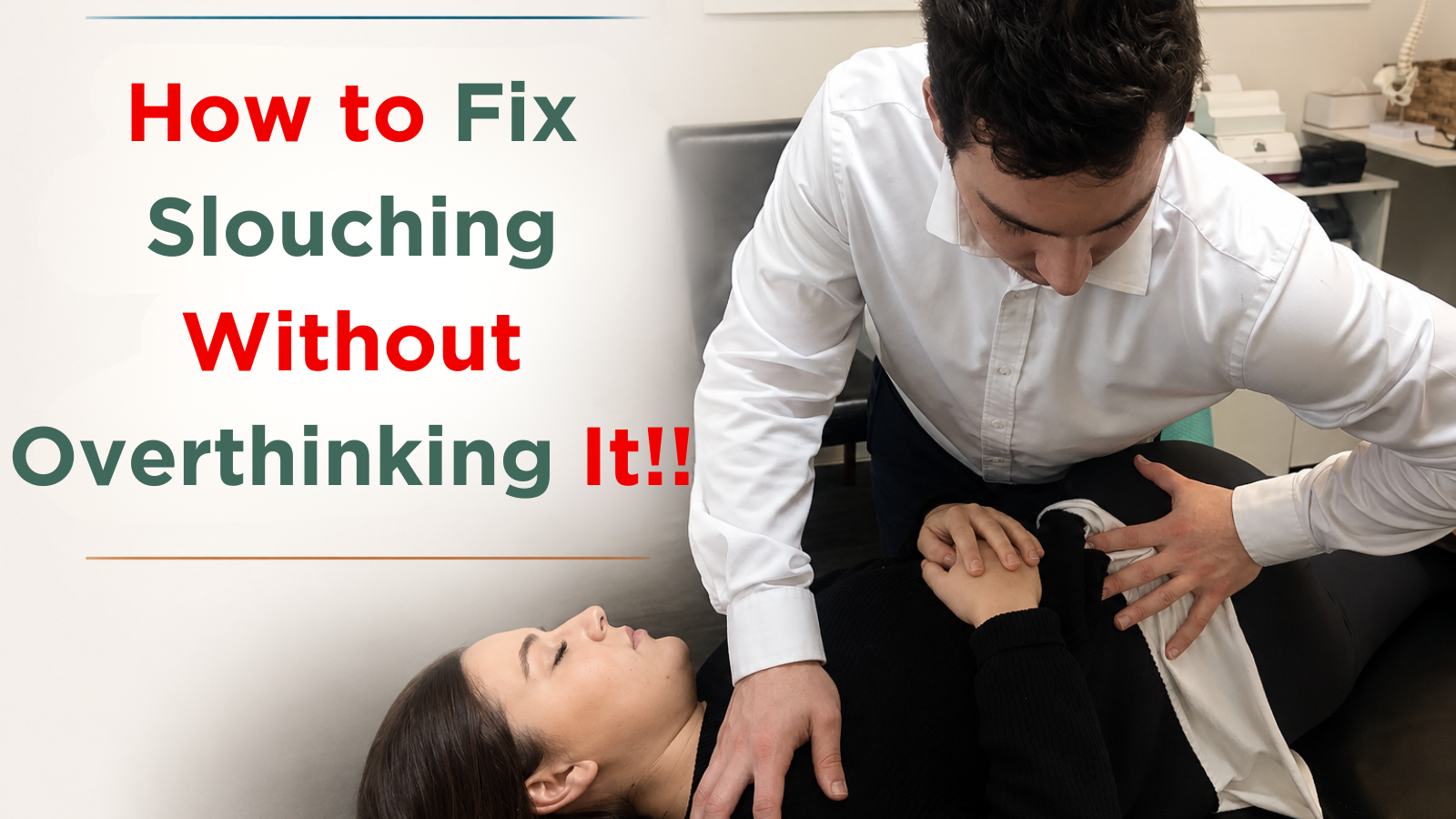
If you have ever caught yourself slouching at your desk or on the couch and immediately tried to “sit up straight”, you are not alone.
The problem is, most people approach posture as something they need to constantly correct. That usually leads to tension, frustration, and habits that do not stick.
The reality is this: learning how to fix slouching is less about forcing perfect posture and more about building better everyday habits.
This article breaks it down into simple, realistic strategies you can actually maintain.
Why slouching happens in the first place?
Slouching is not usually caused by laziness or weakness. It is often the result of:
Your body naturally drifts toward positions that feel easy in the moment, even if they are not ideal over time.
Stop trying to sit “perfectly”
One of the biggest misconceptions is that good posture means sitting upright all day.
In reality:
- No single posture is ideal for hours at a time
- Holding yourself rigidly upright can create tension
- Movement matters more than perfection
A better approach
Instead of chasing perfect posture, aim for:
- Variety in positions
- Regular movement
- Gentle awareness rather than constant correction
1. Make movement your default
If there is one habit that makes the biggest difference, it is this: move more often.
Staying in any position too long, even a “good” one, can lead to stiffness.
Try this
- Stand up every 30 to 45 minutes
- Walk while taking phone calls
- Stretch briefly between tasks
Think of posture as something dynamic, not static.
2. Adjust your environment, not just your body
It is much easier to maintain better posture when your setup supports you.
At your desk
- Keep your screen at eye level
- Sit with feet flat on the floor
- Bring your keyboard and mouse closer
At home
- Avoid working long hours from the couch
- Use cushions or supports when needed
- Change positions regularly
Small changes to your environment often reduce the need to “correct” yourself constantly.
3. Build simple posture cues into your day
Instead of thinking about posture all day, link it to things you already do.
Examples
- Sit a little taller when you open your laptop
- Reset your posture after every coffee break
- Check in with your shoulders at red lights
These small cues are easier to maintain than constant awareness.
When to seek extra support
If slouching is linked with discomfort, stiffness, or ongoing pain, it may be worth getting professional advice.
Chiropractic care may help by:
- Assessing posture and movement patterns
- Identifying contributing factors
- Providing tailored strategies and care
At Wellbeing Chiropractic, recommendations are always based on your individual presentation, not a one-size-fits-all approach.
FAQ Section
How long does it take to fix slouching?
It depends on the individual. With consistent habits, many people notice gradual improvements over weeks to months.
Is slouching always bad?
Not necessarily. The issue is staying in one position for too long rather than the position itself.
Can exercises help improve posture?
Yes, exercises that support strength and endurance may help, especially when combined with better daily habits.
Should I force myself to sit up straight all day?
No. Holding a rigid posture can create tension. It is better to move regularly and maintain a relaxed, supported position.
If you are finding it difficult to improve your posture or are experiencing discomfort, a personalised assessment may help.
Wellbeing Chiropractic offers care across Melbourne, Sydney and Brisbane. You can book an appointment to take the next step toward moving more comfortably.