Tennis Elbow Treatment: Why Massage and Acupuncture Deserve Your Attention
Tennis elbow is often managed using conservative therapies, with massage and acupuncture commonly used as part of a non-surgical treatment approach. If you’re dealing with persistent outer elbow pain (simply put, that nagging ache when gripping, twisting, or lifting), these treatments may help manage symptoms without medication or surgery. At Wellbeing Chiropractic
Here’s something worth knowing straight away: approximately 80–95% of patients with tennis elbow recover without surgery, using conservative approaches that include rest, physiotherapy, massage, and acupuncture (source: NHS inform Scotland).
What actually is a tennis elbow, and who gets it?
Tennis elbow (lateral epicondylitis) is an overuse injury affecting the tendons that attach to the bony outside of your elbow. It strikes 1–3% of the adult population each year, predominantly those aged 35–55, according to NICE Clinical Knowledge Summaries.
The name misleads people. Only around 5% of sufferers develop the condition from playing tennis. The vast majority are plumbers, painters, cooks, office workers, and anyone performing repetitive gripping or wrist extension tasks (source: American Academy of Orthopaedic Surgeons). So don’t dismiss it because you’ve never picked up a racket.
How does massage help a tennis elbow?
Deep transverse friction massage (DTFM) aims to target the damaged tendon fibres directly, promoting blood flow and encouraging proper tissue repair. A 2019 meta-analysis in the Journal of Hand Therapy reviewed 12 randomised controlled trials and found that DTFM combined with exercise produced pain reductions 20–30% greater than exercise alone, with statistically significant improvements in grip strength (source: Journal of Hand Therapy, 2019).
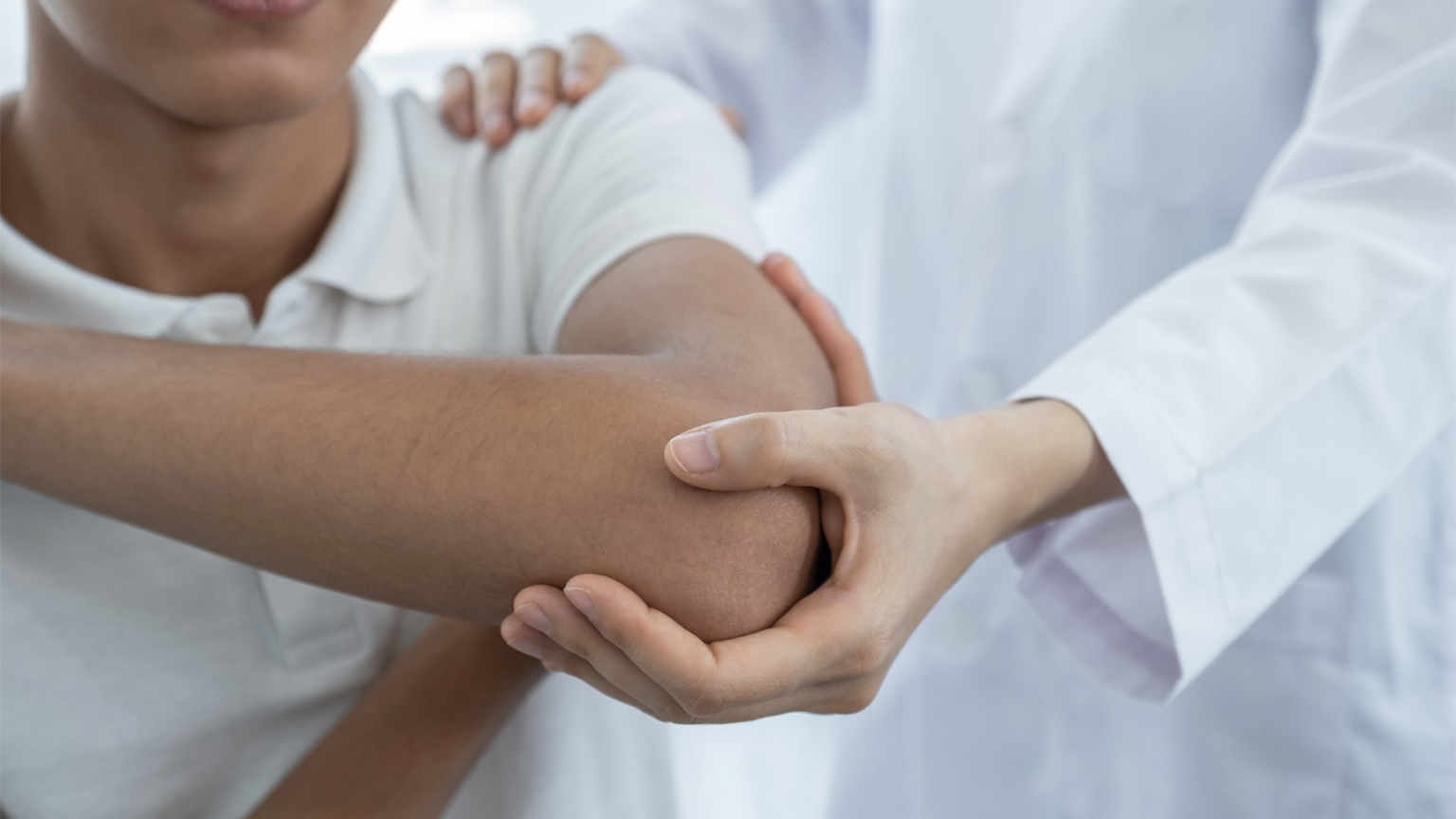
Therapists typically apply firm, cross-fibre pressure across the common extensor tendon. Sessions are often short, typically 10–15 minutes of focused work and may be incorporated into a broader treatment plan. Forearm muscle release and trigger point therapy may complement this approach by addressing compensatory tension patterns.
Does acupuncture work for tennis elbow pain?
Some research suggests acupuncture may provide short-term symptom relief for people with a tennis elbow. A Cochrane systematic review found that needle acupuncture was significantly more effective than sham acupuncture for short-term pain relief in lateral epicondylitis, with clinically meaningful improvements on pain scales (source: Cochrane Library).
Acupuncture involves the insertion of fine needles into specific points and is thought to influence pain pathways and local physiological responses. For tennis elbow, practitioners often needle points around the elbow, forearm, and even distal locations that correspond to the affected meridian pathways. Individual responses vary, and the number of sessions recommended will depend on the person’s symptoms and treatment goals.
Can you combine massage and acupuncture for better results?
Combining both therapies makes practical sense. Massage addresses the muscular and fascial components while acupuncture targets the neurological pain pathways. These approaches target different aspects of the condition, and some practitioners at Wellbeing Chiropractic
Rest and activity modification remain essential alongside any treatment. Ignoring the repetitive strain that caused the problem will undermine even the best therapy programme.
Frequently Asked Questions
Recovery time varies from person to person and depends on factors such as symptom severity, duration, activity levels, and the treatment approach used. The 80–95% conservative recovery rate reflects outcomes across several months of combined approaches.
Acupuncture is generally considered very safe when performed by a qualified practitioner. As with any treatment, there are potential risks and side effects, which may include mild bruising, tenderness, or temporary soreness around the treatment area.
You may not need to stop all activity, but modifying the movements that aggravate your symptoms is often recommended. Your therapist can guide you on which activities to scale back and when to gradually reintroduce them.
Both massage and acupuncture are commonly used as part of conservative management for tennis elbow. The most appropriate approach will depend on your individual presentation and treatment goals, and some people may use them alongside exercise-based rehabilitation.

Author
Dr Conrad Hor
Dr. Conrad Hor is an experienced and passionate chiropractor with strong clinical knowledge, having worked at clinics in Sydney and Melbourne. Conrad graduated from Macquarie University with a Master’s in Chiropractic and Sydney University with a Bachelor’s of Sport and Exercise Science. Conrad delivers manual chiropractic and lower-force chiropractic care for people of all ages and health backgrounds. He works closely with his patients to ensure they become active participants in their care.