As we age, it is common to notice changes in flexibility, mobility and overall movement. Tasks that once felt simple, such as turning the head while driving, bending down or getting out of bed in the morning, may begin to feel stiffer or less comfortable over time.
While some degree of physical change is a normal part of ageing, maintaining joint mobility and spinal movement remains important for independence, comfort and quality of life.
Understanding how ageing may affect the joints and spine can help people make informed choices about movement, exercise and long-term musculoskeletal health.
What Is Joint Mobility?
Joint mobility refers to how freely and comfortably a joint can move through its normal range of motion.
Healthy mobility depends on several factors, including:
- Joint structure
- Muscle flexibility
- Ligament health
- Strength and stability
- Nervous system function
- Physical activity levels
Mobility is important for everyday movements such as walking, lifting, reaching and maintaining balance.
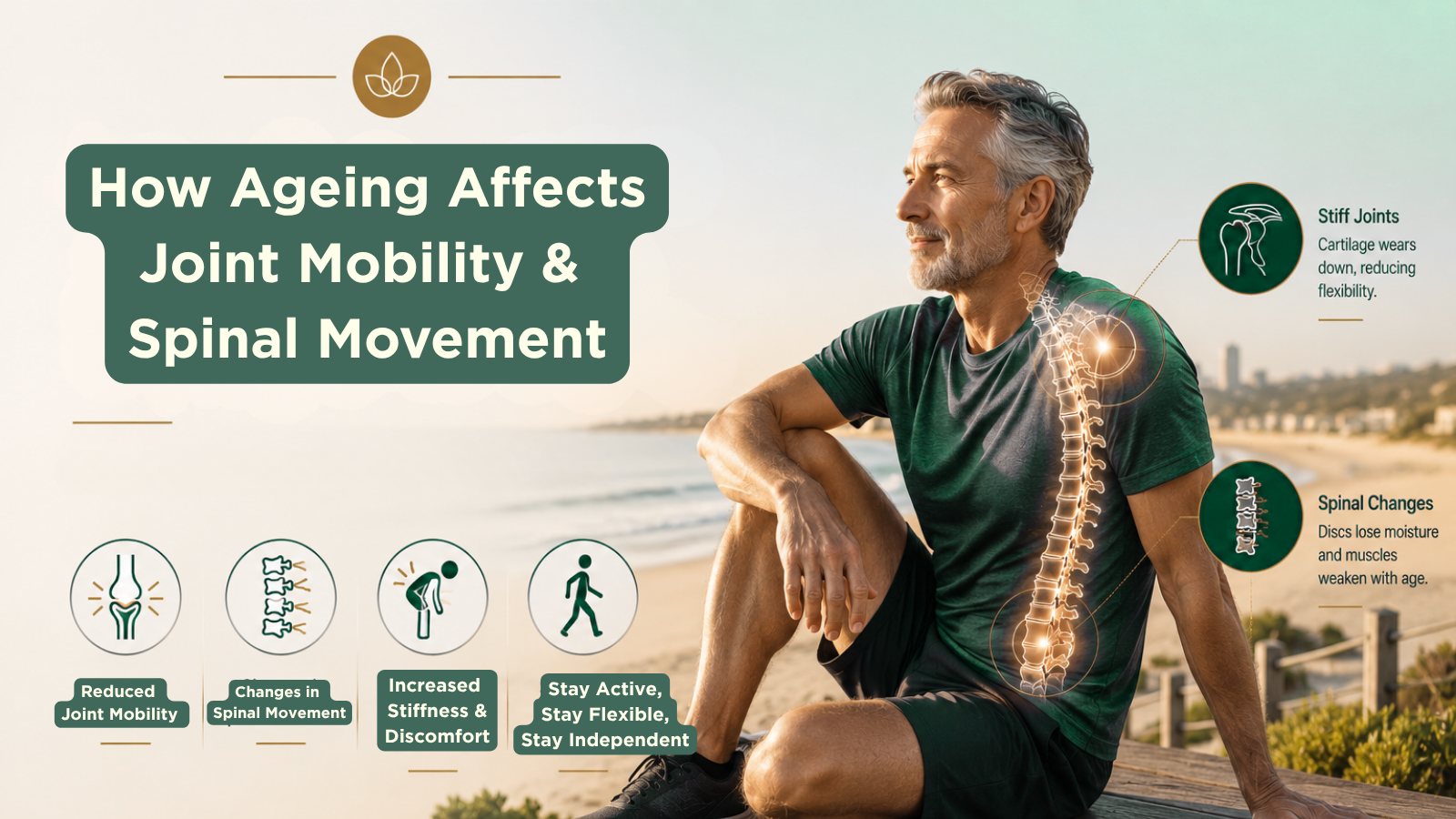
As the body ages, gradual changes can occur in the joints, muscles and connective tissues. These changes vary between individuals and are influenced by factors such as genetics, occupation, activity levels and previous injuries.
Reduced Flexibility in Soft Tissues:
Muscles, tendons and ligaments may become less flexible over time, particularly in people who spend long periods sitting or who are less physically active.
This reduced flexibility can contribute to feelings of stiffness, especially after resting or waking in the morning.
Changes in Joint Surfaces:
Over time, the cartilage that cushions joints may naturally change as part of the ageing process. This can affect how smoothly joints move and may contribute to stiffness or discomfort in some individuals.
The spine relies on coordinated movement between joints, muscles and discs. Age-related changes may affect spinal flexibility and movement, particularly in the neck and lower back.
Some people notice:
- Difficulty turning the head
- Reduced bending ability
- Tightness when standing after sitting
- General stiffness during movement
Muscle Strength Changes:
Muscle mass and strength can gradually decline with age, particularly without regular exercise. Reduced muscular support may affect posture, balance and joint stability.
Why Mobility Matters as You Age:
Maintaining mobility is not only about flexibility. Good movement supports many aspects of daily health and independence.
Healthy joint and spinal movement may help support:
- Balance and coordination
- Walking confidence
- Physical activity participation
- Posture and stability
- Reduced risk of falls
- Everyday comfort
Movement also plays an important role in maintaining circulation, muscle function and overall wellbeing.
Common Areas of Age-Related Stiffness:
Many people experience reduced neck mobility as they age, particularly after years of desk work, driving or screen use.
Lower Back
The lower back commonly becomes stiffer over time due to changes in spinal joints, muscle tension and reduced activity levels.
Hips
Hip mobility may decline with age, affecting walking, balance and movements such as bending or climbing stairs.
Shoulders
Reduced shoulder mobility can make reaching overhead or lifting objects more difficult.
Does Ageing Always Lead to Significant Stiffness?
Not necessarily.
Although some changes in mobility are common with ageing, lifestyle factors can play a major role in how well people move later in life.
Regular movement, strength training and physical activity may help support joint function and mobility as people age.
Many older adults remain highly active and mobile well into later life.
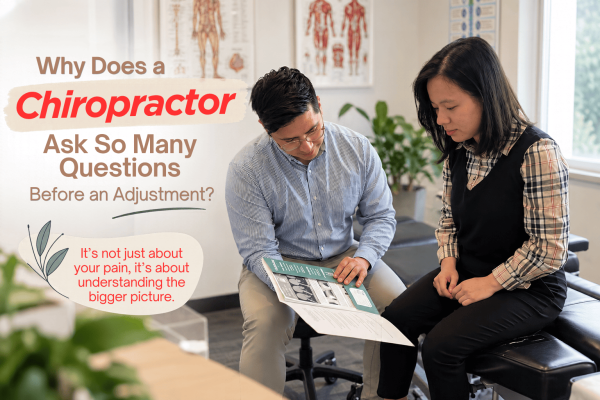
Chiropractic care may help support spinal movement, mobility and musculoskeletal function after an appropriate assessment.
Depending on the individual, care may include:
- Joint mobilisation
- Manual therapy
- Soft tissue techniques
- Postural advice
- Mobility exercises
- Lifestyle recommendations
Care recommendations are based on the individual’s history, symptoms and examination findings.
Many people seek chiropractic care to help manage stiffness, maintain mobility and support physical activity as they age.
FAQ
Does ageing naturally reduce joint mobility?
Some reduction in flexibility and mobility can occur with age, but lifestyle factors such as physical activity and strength training may influence how significant these changes become.
Why does the spine become stiffer with age?
Age-related changes in joints, muscles, connective tissues and spinal discs may contribute to reduced spinal movement over time.
Can exercise help improve mobility in older adults?
Regular exercise may help support flexibility, strength, balance and joint movement at many stages of life.
Is stiffness always a normal part of ageing?
Occasional stiffness can be common, but persistent pain or major mobility changes may benefit from professional assessment.
Can chiropractic care help support mobility?
Chiropractic care may help support spinal movement and musculoskeletal function depending on the individual and their presentation.
If you are noticing increased stiffness, reduced flexibility or changes in your mobility, the team at Wellbeing Chiropractic can provide an individual assessment tailored to your needs.
With clinics across Melbourne, Sydney and Brisbane, our chiropractors work with patients of all ages to better understand movement restrictions, spinal function and lifestyle factors that may be contributing to discomfort or reduced mobility. Appropriate care may include hands-on treatment, mobility support and personalised movement advice based on your individual presentation.