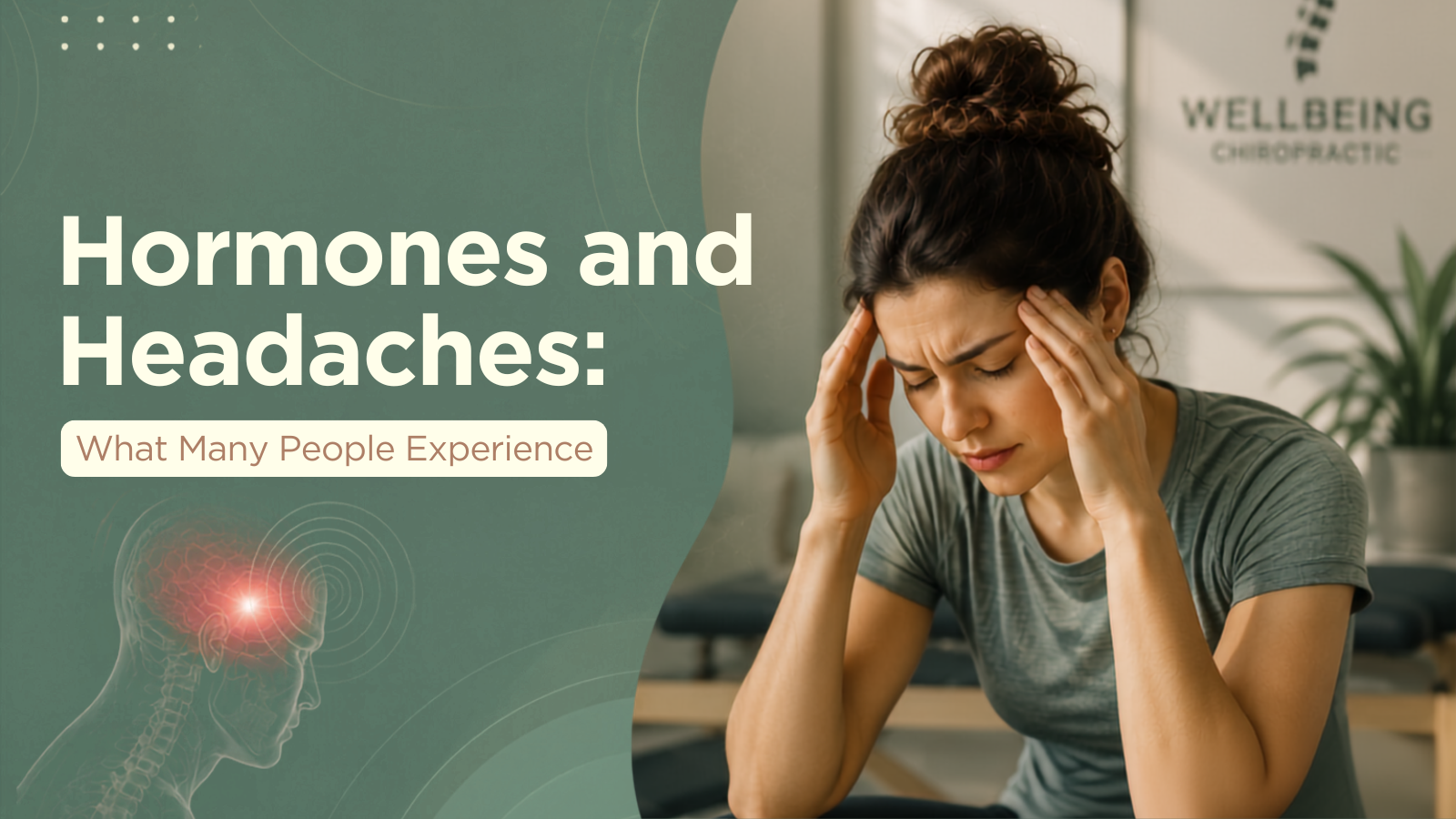
Have you ever noticed that your headaches seem to appear around the same time each month?
Or perhaps they became more frequent during pregnancy, after having a baby or while approaching menopause?
If so, you’re not imagining it.
Many people notice a relationship between hormonal changes and headaches. While hormones are not the only factor that can contribute to headaches, fluctuations in hormone levels may influence how sensitive the body is to pain and why headaches sometimes follow a predictable pattern.
Recognising these patterns can be an important step towards understanding your symptoms and discussing them with a healthcare professional.
Why Do Hormones Affect Headaches?
Hormones help regulate many important functions throughout the body.
They influence:
- the reproductive system
- sleep
- mood
- energy levels
- metabolism
- the nervous system
Changes in hormone levels, particularly oestrogen, may affect the way the nervous system processes pain. For some people, these fluctuations can make headaches more likely to occur during certain stages of life.
Not everyone experiences hormonal headaches, and the way symptoms present varies from person to person.
When Hormonal Headaches Commonly Occur:
Hormonal changes happen throughout life, and different stages may influence headaches in different ways.
Around the Menstrual Cycle:
Many women notice headaches developing in the days leading up to their period or during the first few days of menstruation.
For some, this pattern remains consistent from month to month.
During Pregnancy:
Pregnancy brings significant hormonal changes.
Some women find that their headaches improve during pregnancy, while others may experience new or different headache patterns.
Every pregnancy is unique, and symptoms can vary considerably.
After Childbirth:
The weeks following birth involve rapid hormonal changes alongside disrupted sleep, physical recovery and the demands of caring for a newborn.
All of these factors may influence headache frequency and intensity.
During Perimenopause and Menopause:
Hormone levels often fluctuate during perimenopause before becoming more stable after menopause.
Some women notice headaches becoming more frequent during this transition, while others find that symptoms improve over time.
Not every headache associated with hormonal changes feels the same.
Some people describe:
Because headaches have many possible causes, a proper assessment is important if symptoms are persistent, severe or changing.
How Neck Tension Can Add to the Problem:
Many people experiencing hormonal headaches also notice neck and shoulder tension.
Long hours at a desk, poor workstation habits or stress-related muscle tightness may contribute to headaches alongside hormonal influences.
Addressing musculoskeletal factors may form part of a broader management approach for some individuals.
Following an appropriate assessment, chiropractic care may be appropriate for some people experiencing headaches associated with neck and musculoskeletal dysfunction.
Depending on your presentation, care may include:
- gentle manual therapy where appropriate
- soft tissue techniques
- posture advice
- mobility exercises
- ergonomic recommendations
- strategies to reduce muscle tension
If headaches appear to have multiple contributing factors, your chiropractor may recommend a collaborative approach involving other healthcare providers.
FAQ
Can hormones cause headaches?
Hormonal fluctuations may contribute to headaches in some people, particularly during the menstrual cycle, pregnancy, after childbirth and around menopause.
Why do I get headaches before my period?
Some women notice headaches before their period due to changes in hormone levels, particularly oestrogen, during this stage of the menstrual cycle.
Can menopause cause headaches?
Headache patterns may change during perimenopause and menopause as hormone levels fluctuate. Experiences vary from person to person.
Can neck tension make hormonal headaches worse?
Neck and shoulder muscle tension may contribute to headaches for some individuals, even when hormonal changes are also involved.
Can chiropractic care help with headaches?
After an appropriate assessment, chiropractic care may help support people whose headaches have a musculoskeletal component, particularly those associated with neck dysfunction or muscle tension.
If recurring headaches are affecting your daily life, book an appointment online with Wellbeing Chiropractic clinics across Melbourne, Sydney and Brisbane, our chiropractors can assess whether musculoskeletal factors such as neck movement, posture and muscle tension may be contributing to your symptoms and develop a personalised care plan to support your wellbeing.